How to Plan a Holiday Party Guests Will Actually Remember
A holiday party should feel like more than another item on the calendar.
Whether you are planning a company celebration, a client event, a nonprofit gathering, or a private holiday party, the best events give people a reason to be fully present. They create space for conversation, appreciation, connection, and a shared experience that feels different from an ordinary dinner or office gathering.
The most memorable holiday parties do not happen by accident. They begin with a clear idea of how you want guests to feel, then build the room, menu, entertainment, and timeline around that feeling.
Here are seven ways to create a holiday party guests will actually remember.
1. Start with the feeling you want to create
Before choosing decorations or entertainment, decide what you want guests to feel when they arrive.
Should the evening feel elegant, relaxed, energetic, playful, generous, or unexpected? The answer will influence nearly every other decision.
A more elegant event may call for warm lighting, a polished tablescape, and a slower arrival experience. A high-energy celebration may need music, interactive entertainment, and room for guests to move. A team appreciation event may benefit from a thoughtful welcome, comfortable conversation areas, and a moment that recognizes the people being celebrated.
There is no single right mood for a holiday party. The important thing is to choose a direction before the details begin competing with one another.
2. Create a memorable welcome
The first few minutes shape the way guests experience the rest of the evening.
A strong welcome can be as simple as a beautifully designed entry, a signature drink, a photo opportunity, live music, or a host who makes guests feel expected and appreciated. It can also be more interactive, such as a themed arrival, a tasting experience, or an entertainment element that gives people something to talk about right away.
Ask:
- What will guests see first?
- How will they know where to go?
- Is there an easy place to gather coats, gifts, or personal items?
- What gives guests a natural reason to start a conversation?
- Does the arrival feel connected to the overall event concept?
A memorable welcome does not need to be complicated. It needs to feel intentional.
3. Design the room for connection
A room can look beautiful and still make conversation difficult. Before finalizing the layout, think about how guests will actually use the space.
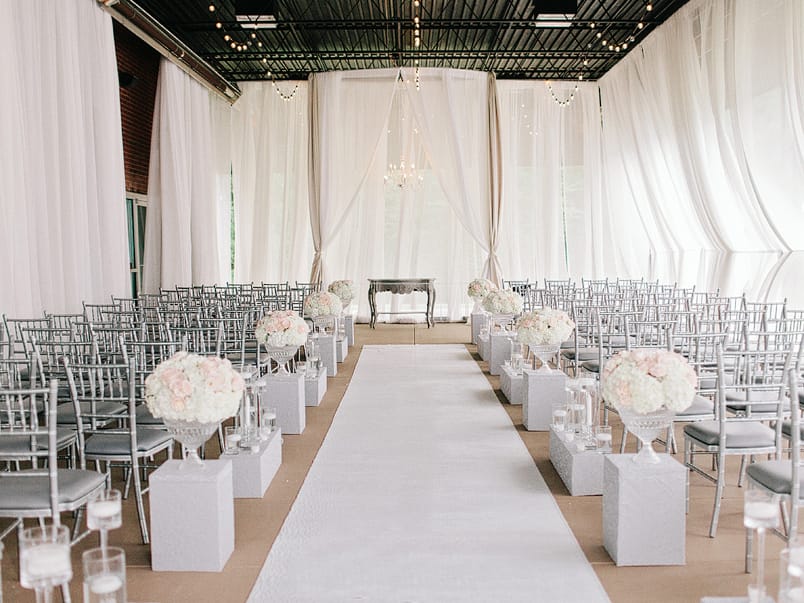
Consider a mix of seating, standing areas, dining tables, a bar or beverage station, entertainment, and open space. Avoid placing every activity along the edges if you want people to move through the room. Give guests comfortable places to talk while keeping the main experience visible.
A thoughtful layout can help with:
- Guest movement
- Conversation across departments or friend groups
- Visibility of entertainment
- Comfortable dining
- Food and beverage service
- Photos and shared experiences
- A smooth transition to dancing or the closing moment
The goal is to make connection easy without making the room feel crowded.
4. Choose food and beverage that fit the evening
Food is part of the guest experience, not only a logistical requirement.
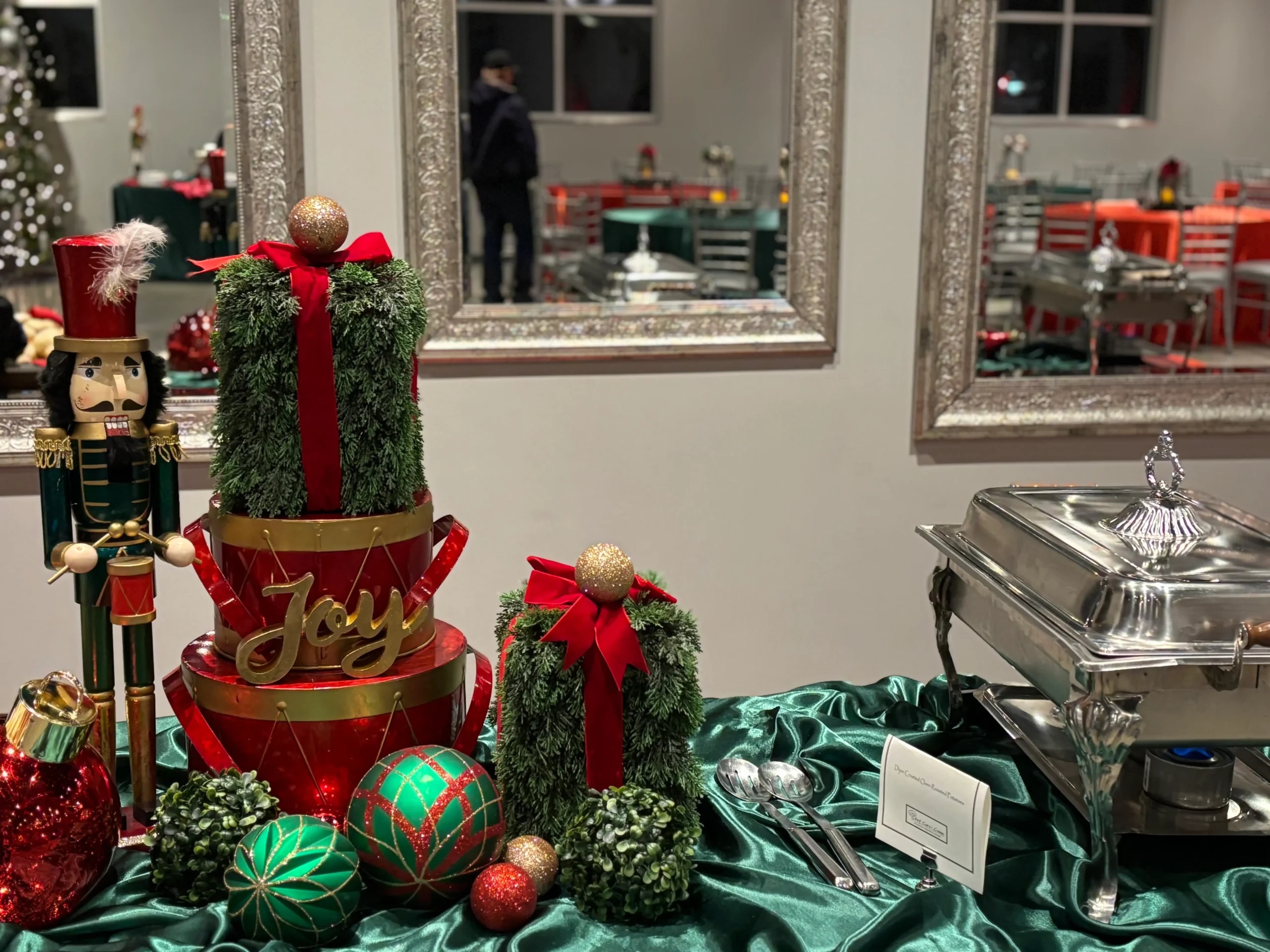
Think about how and when food will be served. A seated dinner creates a different rhythm from stations, passed bites, or a combination of formats. Your menu can also reinforce the mood of the evening through presentation, seasonal flavors, interactive elements, or a signature drink.
Ask:
- Will guests be seated, moving through stations, or enjoying a combination?
- Does the menu support conversation and the event timeline?
- Are there options for dietary restrictions?
- Where will beverages be served?
- Does the food presentation add to the atmosphere?
A well-planned food and beverage experience helps the evening feel generous and considered.
5. Add one experience people can share
Guests remember what they did together.
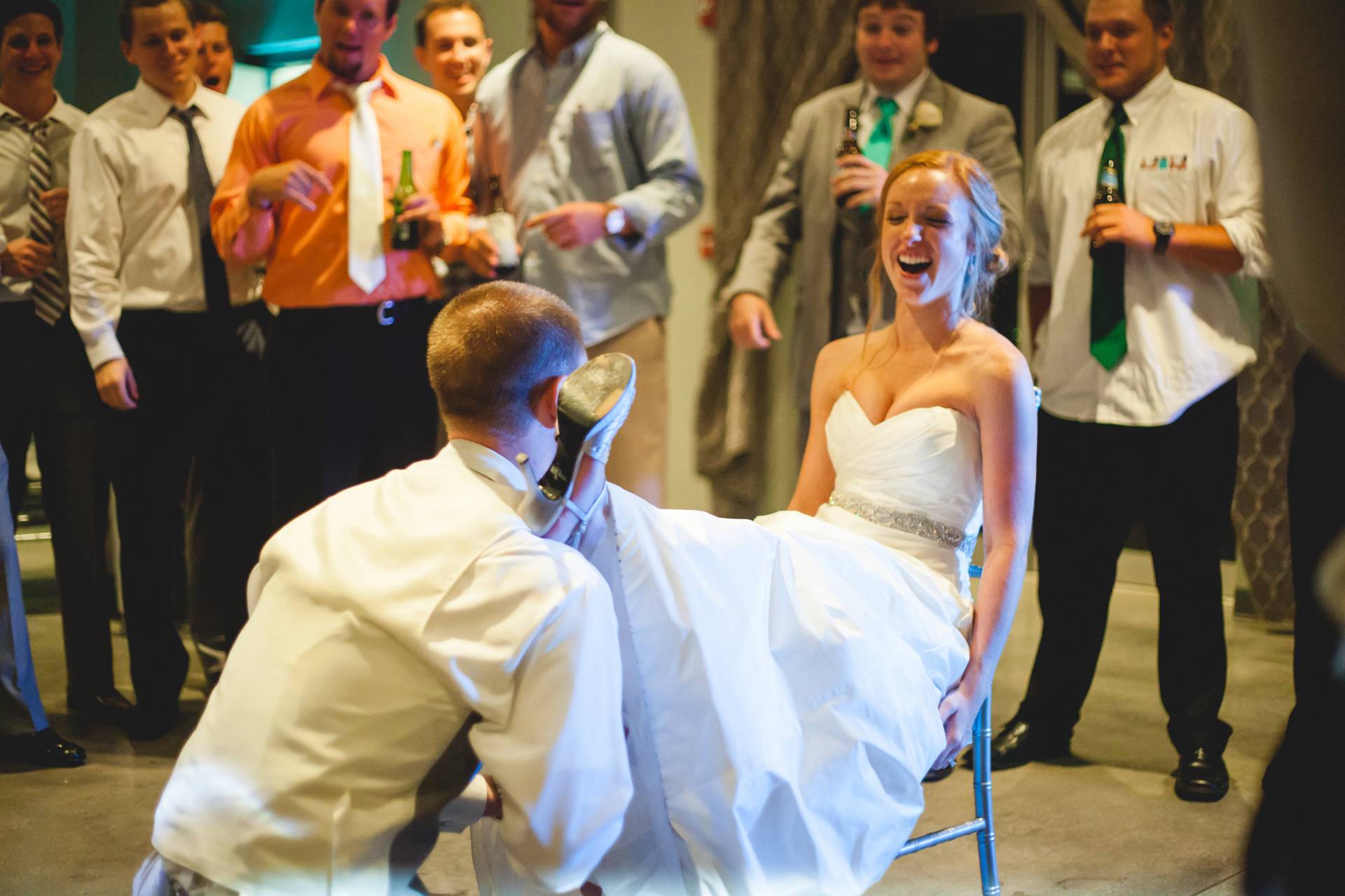
A shared experience can be a casino-style activity, a cigar roller, a photo booth, live entertainment, a themed room, a creative demonstration, a recognition moment, or another interactive element that fits your group.
The goal is not to add as many activities as possible. One or two well-chosen experiences are often more effective than a crowded schedule.
Choose something that:
- Fits the personality of your group
- Gives people an easy conversation starter
- Works for guests who participate and guests who prefer to observe
- Supports the mood of the event
- Can be enjoyed without creating long lines or confusion
The best entertainment feels like part of the event rather than an interruption to it.
6. Include a moment of appreciation
For company and client events, the holiday season is an opportunity to recognize people.
That recognition does not have to be a long speech. It could be a short welcome from leadership, a thoughtful gift, a team story, a slideshow, a toast, or a moment that acknowledges the work and relationships behind the year.
Keep the tone genuine and the timing intentional. A recognition moment is most effective when guests can hear it, feel included in it, and return naturally to the celebration afterward.
7. Give the evening a strong closing moment
People often remember how an event ends as much as how it begins.
A strong closing might be a final toast, a last song, a send-off, a group photo, a meaningful gift, or a final change in lighting or music. It does not need to be dramatic. It simply needs to give the evening a sense of completion.
Before you finalize the timeline, ask:
- What should guests be talking about as they leave?
- Is there a natural final moment?
- Does the closing feel connected to the welcome?
- Have you allowed enough time for guests to enjoy the experience without rushing?
A clear ending helps the event feel planned from beginning to end.
Give yourself enough planning support
The details behind a holiday event include room layout, timing, tables, lighting, food, entertainment, transitions, vendor coordination, and guest communication.
The right venue team can help you think through those details so the evening feels easy for guests. When you begin the planning conversation, share your event type, date range, guest count, budget range, and the feeling you want to create.
Then ask:
- What is included in the venue experience?
- Which services and vendors are available?
- How can the room be arranged for our group?
- What entertainment or interactive experiences could work well?
- Who will help coordinate the event details?
- What should we decide first?
You do not need to have every detail figured out before you reach out. A good planning conversation can help you turn a general idea into a practical direction.
Plan a holiday event with a point of view
A memorable holiday party is not only a meal in a decorated room. It is the welcome, the atmosphere, the unexpected detail, the conversations, and the experience people keep talking about afterward.
Start with how you want guests to feel. Build the event around that feeling. Choose details that support the mood, give people room to connect, and create at least one shared experience they could not have had at the office or at home.
Venue 92 hosts company celebrations, client events, nonprofit gatherings, and private holiday parties in Woodstock, Georgia, near Atlanta and North Georgia.